
Redfood24 Blog - CBD & Food Supplements
Blog article:
Prevention is better than cure: How to protect yourself from gastroenteritis

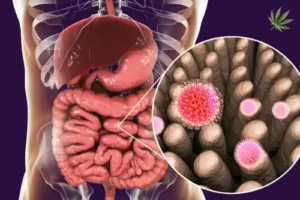
Gastroenteritis, also known as abdominal flux, is an inflammatory disease of the intestine caused by viruses, bacteria or parasites. It can cause unpleasant symptoms such as diarrhea, vomiting and abdominal cramps and affects children and adults. In many cases, the infection can be cured by following certain hygiene rules and taking precautions.
In this fast-paced life we live in, it's easy to forget how important hygiene and prevention is. But when it comes to diseases like gastroenteritis, it can make the difference between a healthy and sick family member. The good news is there are many simple and effective ways to minimize the risk. And CBD, a non-psychoactive cannabinoid derived from hemp, can help with prevention and treatment.
From hand hygiene to food preparation to immune system, in this article you will find practical tips and advice to keep you and your family healthy. Prevention is key and by making a few simple changes to your daily life you can minimize the risk of gastroenteritis. Stay tuned to see how you can protect yourself and your loved ones.
The key to prevention
One of the most important measures to prevent gastroenteritis is consistent hygiene. Regular and thorough hand washing with soap and warm water, especially after using the toilet, before eating, and after contact with raw foods, can significantly reduce the spread of pathogens. Use hand sanitizer when water and soap are not available. Keep your environment clean and disinfect frequently touched surfaces such as door handles, light switches, and countertops regularly. In the kitchen, make sure all utensils and countertops are clean and use separate cutting boards for raw meat and other foods to avoid cross-contamination.
Proper food handling is crucial to reduce the risk of gastroenteritis. Fresh and well-cooked foods should be preferred, while eating raw or undercooked meat and eggs should be avoided. Make sure food is stored at the right temperature and pay attention to the expiration date. Perishable foods should always be kept in the refrigerator. Wash fruits and vegetables thoroughly under running water and ensure all utensils and work surfaces are clean. Drink only clean, filtered or boiled water, especially when traveling in areas with unsafe water quality.
Strengthen the immune system
A strong immune system can help fight off infections and minimize the effects of gastroenteritis. A balanced diet with plenty of fruits, vegetables and whole grains provides your body with important nutrients. Regular exercise promotes blood circulation and strengthens the immune system. Make sure you get enough sleep, as it is essential for regeneration and the immune system. Find ways to reduce stress, for example through relaxation techniques such as yoga or meditation.
CBD as support
In recent years, CBD (cannabidiol), a non-psychoactive cannabinoid derived from the hemp plant, has gained popularity. It is valued for its potentially healing and anti-inflammatory properties and may play a supportive role in the prevention and treatment of gastroenteritis. CBD may help reduce inflammation in the gastrointestinal tract, which may be particularly helpful in gastroenteritic conditions. CBD's analgesic properties may reduce abdominal cramps and pain associated with gastroenteritis. Since stress can weaken the immune system, it is important to find ways to reduce it. CBD can help ensure safety and promote overall well-being.

Studies on CBD and Gastrointestinal Diseases
Several studies have focused on the relationship between cannabis (CBD) and gastrointestinal diseases, particularly gastroenteritis and other gastrointestinal disorders. These studies provide insights into the potential therapeutic roles of CBD, its mechanisms, and the epidemiology of associated infections.
Cohen and Neuman's 2020 study, "Cannabis and the Gastrointestinal Tract," describes how cannabis can modulate inflammation and repair in the gastrointestinal tract by activating CB1 and CB2 receptors. The study highlights potential benefits in conditions such as inflammatory bowel disease (IBD), irritable bowel syndrome (IBS), and nonalcoholic fatty liver disease (NAFLD), but stresses the need for further randomized controlled trials to confirm efficacy and safety.
Another study by Ganji et al. in 2022 examined the prevalence of CdtB-encoding bacteria in patients with gastroenteritis and irritable bowel syndrome. This study shows a possible link between these bacteria and IBS and highlights the need for further research to investigate this correlation.
Further studies on CBD and gastrointestinal
The 2020 study “Gastrointestinal infections in IBD flares” by Axelrad and Sauk evaluates the use of PCR-based stool testing to distinguish between gastrointestinal infections and IBD flares. This study highlights the complexity of diagnosing and treating IBD in the presence of enteric infections and suggests PCR-based testing as a valuable diagnostic tool.
The 2023 review “Cannabis and the Gastrointestinal Tract” describes the role of the endocannabinoid system in gastrointestinal homeostasis and its therapeutic potential. Although promising, it emphasizes the need for further research to understand the interactions of the endocannabinoid system with other systems and the potential side effects of cannabinoids.
Finally, the 2020 study “Cannabis in Gastroenterology: Beware!” by Nasser et al. reviews clinical evidence for the use of cannabinoids in gastrointestinal conditions such as inflammatory bowel disease and functional bowel disorders. The study suggests that cannabinoids may improve symptoms, but emphasizes the need for further research to confirm these effects and understand potential side effects such as cannabis hyperemesis syndrome.
If you want to try CBD, you need to do your research and choose a good product. Also talk to your doctor if you are taking medication or have a chronic condition.
With sick people
If someone in your household has gastroenteritis, you must take additional precautions to prevent the infection. The sick person should remain isolated and use separate towels and utensils. Increase the frequency of cleaning and pay special attention to disinfecting bathrooms and toilets. Wash the sick person's bedding, towels and clothing at high temperature to kill germs.
Gastroenteritis is unpleasant and stressful, but by following simple hygiene rules and precautions you can greatly reduce the risk of infection. Remember that prevention is always better than cure. With these tips you will be well prepared to protect yourself and your family from this plague. Stay healthy!