Skip to Content

Redfood24 Blog - CBD & Food Supplements
Blog article:
CBD and Obsessive-Compulsive Disorder (OCD): Tips for your mental health?
Blog topics:
- CBD – Knowledge & Info (101)
- Pain & Illnesses (41)
- Product Tips & Nutrition (20)
- Healthy Recipes (7)
- For animals (9)
Table of Contents
- Definition and Meaning of OCD
- Obsessive-compulsive disorder: background, symptoms and ways to cope
- The Symptoms of Obsessive-Compulsive Disorder: A Look at the Challenges of the Mind
- Coping with Obsessive-Compulsive Disorder: Mental Health Strategies
- Drug approaches to the treatment of obsessive-compulsive disorder (OCD): Insight into therapeutic possibilities
- Key insights
- CBD drops for OCD: A promising addition to mental healthcare?
- Dietary Supplements for OCD: Exploring Potential Mental Health Support
Dealing with obsessive-compulsive disorder (OCD) can be very challenging. People who suffer from OCD experience intense and unwanted thoughts, often accompanied by compulsive behaviors. In the search for solutions and relief, the term CBD is increasingly cropping up. But what exactly is CBD, and how can it help manage OCD?
CBD, or cannabidiol, is one of the many chemical compounds found in the cannabis plant. Unlike THC, the psychoactive component of cannabis, CBD does not produce an intoxicating effect. Instead, it has shown promise as a remedy for relieving anxiety and stress-related symptoms.
In the context of OCD, CBD is often considered a natural alternative to conventional medication. Evidence is known that CBD can influence activity in the endocannabinoid system, which plays a role in regulating mood, sleep and stress reactions It is believed that the calming effects of CBD can help reduce the intensity of obsessive thoughts while promoting relaxation.
It's important to emphasize that CBD is not a miracle pill and should not serve as the sole treatment for OCD. Rather, it should be viewed as part of a holistic approach to mental health. Combining CBD with therapy, support groups, and other proven methods can provide a comprehensive approach to managing OCD.
Definition and Meaning of OCD
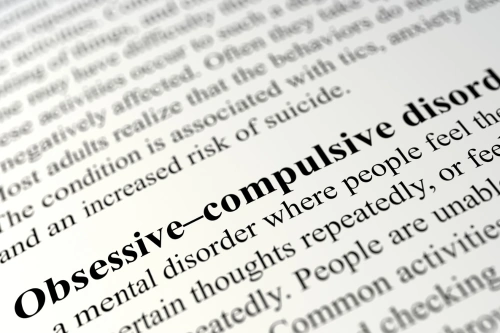
To understand the meaning of OCD, it is important to take a look at the definition of this mental disorder. OCD is characterized by recurring, disturbing thoughts (obsessions) and compulsive desires to perform certain actions or rituals (compulsions) to relieve anxiety.
The effects of OCD can significantly affect daily life. People with OCD often experience severe distress and difficulty carrying out normal activities. The variety of obsessive thoughts and compulsive actions is wide, from fear of germs to the need to arrange things in a certain order.
It is important that people suffering from OCD seek professional help. Therapy options such as cognitive behavioral therapy have been shown to be effective in reducing symptoms. Incorporating CBD into this approach may provide additional benefits, but it should always be done in consultation with a qualified professional.
In conclusion, CBD is promising but is not a cure-all for OCD. The path to mental health is individual, and it requires a comprehensive approach. Although CBD can play a supportive role, it should be considered as part of a broader range of interventions aimed at improving the quality of life of people with OCD.
Obsessive-compulsive disorder: background, symptoms and ways to cope
Obsessive-compulsive disorders (OCD) are serious mental illnesses characterized by recurrent, unwanted thoughts (obsessions) and compulsive behaviors (compulsions). People suffering from OCD often experience intense fear and discomfort due to their obscure thoughts, which leads to a strong urge to repeat certain actions in order to relieve these fears.
Here are some key characteristics of OCD:
- Obsessions: These are persistent and unpleasant thoughts, impulses, or images that occur repeatedly and cause anxiety or stress. Examples might include: fear of germs, repeatedly ruminating about inappropriate sexual thoughts, or worrying that something bad is going to happen.
- Compulsions: To relieve the anxiety caused by obsessions, people with OCD develop compulsive behaviors or rituals. These actions may include washing hands, checking things, counting, or needing to do things in a certain order.
- Suffering and functional impairment: OCD can cause significant distress and severely interfere with daily life. The compulsions can be time-consuming and make it difficult for those affected to carry out normal activities. Despite this, they often cannot stop carrying out their compulsions.
- Chronic course: OCD is often a chronic condition that persists throughout life. The severity of symptoms may vary over time, but many people with OCD continue to experience episodic periods of worsening.
It is important to emphasize that OCD is not simply eccentric behavior or personal preferences. It is a serious mental illness that requires professional help. Cognitive behavioral therapy, medication, and in some cases supportive therapy can be effective in managing OCD symptoms.
The Symptoms of Obsessive-Compulsive Disorder: A Look at the Challenges of the Mind
Obsessive-compulsive disorder (OCD) is accompanied by recurring, distressing thoughts that trigger compulsive behavior. Symptoms vary, but some common signs allow the identification of this mental illness:
- Obsessions: Uncontrollable Thoughts
- Inappropriate fears, such as fear of contamination or disease.
- Constant worries about safety issues such as checking doors or stovetops.
- Involuntary aggressive or sexual thoughts that are perceived as stressful.
- Compulsions: Repeated actions to relieve anxiety
- Excessive hand washing, showering or cleaning in response to fear of germs.
- Frequently checking doors, windows or appliances to allay safety concerns.
- The need to arrange things in a certain order or use certain numbers.
- High levels of suffering and functional impairment
- Intense emotional stress due to constant obscure thoughts.
- Difficulty performing normal tasks of daily living due to compulsive behavior.
- Social isolation due to feelings of shame or the urge to hide the compulsions.
- chronicity and relapse
- OCD is often a long-term challenge with episodes of worsening.
- Periods of improvement may be followed by relapses, especially under stress or pressure.
- resistance to thoughts
- Those affected often experience considerable stress due to the desire to get rid of the disturbing thoughts.
- Trying to suppress thoughts can lead to increased obsessions.
Identifying these symptoms is the first step in managing OCD. Early professional intervention, including cognitive behavioral therapy and medication when appropriate, can help sufferers effectively cope with challenges and improve their quality of life.
Coping with Obsessive-Compulsive Disorder: Mental Health Strategies
Obsessive-compulsive disorder (OCD) can significantly impact daily life, but there are several ways to cope and improve quality of life. Here are some effective strategies:
- Cognitive behavioral therapy (CBT):
- CBT is one of the most effective forms of therapy for OCD.
- By identifying and changing negative thought patterns, CBT helps people control their obsessive thoughts and reduce compulsive behavior.
- Exposure and Response Prevention (ERP):
- This specialized form of CBT specifically confronts those affected with the situations that trigger their anxiety.
- The goal is to reduce anxiety and reduce the need for compulsive behavior.
- Medication:
- Antidepressants, particularly selective serotonin reuptake inhibitors (SSRIs), can relieve the symptoms of OCD.
- An experienced psychiatrist can recommend the most appropriate drug treatment.
- Mindfulness and stress management:
- Mindfulness practices such as meditation and breathing exercises can help calm the mind and reduce stress levels.
- Stress management techniques are important because stress can often lead to worsening of OCD symptoms.
- Self-help groups:
- Sharing ideas with others who have had similar experiences can be supportive and encouraging.
- Self-help groups provide a platform for sharing coping strategies and conveying hope.
- Healthy lifestyle habits:
- Regular exercise, a balanced diet and sufficient sleep can contribute to mental health.
- A stable lifestyle can help reduce stress and support coping with OCD.
- Professional support and acceptance:
- Seeking professional help is crucial.
- Accepting the illness as part of one's own life path can pave the way to healing.
Managing OCD often requires a multidisciplinary approach that combines therapeutic, medication and supportive measures. By actively seeking help and incorporating these strategies into their daily lives, sufferers can strengthen their ability to exercise self-control and improve their quality of life.
Drug approaches to the treatment of obsessive-compulsive disorder (OCD): Insight into therapeutic possibilities
Drug treatment for obsessive-compulsive disorder (OCD) plays an important role in relieving symptoms. Here are some key aspects of drug approaches:
- Selective serotonin reuptake inhibitors (SSRIs):
- SSRIs such as fluoxetine, sertraline and paroxetine are often the first medications used to treat OCD.
- These medications increase serotonin levels in the brain, which may improve mood and reduce OCD symptoms.
- Tricyclic antidepressants (TCAs):
- Clomipramine, a tricyclic antidepressant, has been shown to be effective in treating OCD, especially when SSRIs are not sufficiently effective.
- However, TCAs often have more side effects than SSRIs.
- Augmentation therapy:
- In some cases, the combination of different medications, such as SSRIs with antipsychotics, may be considered as augmentation therapy.
- This approach is used in more severe cases to increase the effectiveness of treatment.
- Dosage and adjustment:
- The optimal dosage and adjustment of the medication are determined individually.
- It may take several weeks to achieve full effect, and adjustments are often made under medical supervision.
- Long-term treatment:
- Drug treatment for OCD is often long-term.
- Even if symptoms subside, it may be important to continue medication to prevent relapse.
- Side effects and monitoring:
- As with any medication, drugs used to treat OCD can have side effects.
- Regular monitoring by a doctor is crucial to identify potential side effects and respond appropriately.
It is important to emphasize that drug treatment of OCD is usually done in combination with other therapeutic approaches, such as cognitive behavioral therapy. The decision for a specific medication and dosage should be made individually, based on the severity of the symptoms and the patient's response to the medication. Close cooperation with an experienced psychiatrist is essential.
Key insights
In the course of researching and reflecting on CBD and its potential role in managing obsessive compulsive disorder (OCD), several important findings have emerged. These findings help to develop a more comprehensive understanding of the topic:
- CBD as a supplement, not a replacement: CBD shows promising signs for relieving anxiety symptoms associated with OCD. However, it is crucial to emphasize that CBD should not be considered a replacement for established treatments such as cognitive behavioral therapy or medication approaches. Rather, it can serve as a complement to support the overall effects of therapy.
- Mechanisms of action in the endocannabinoid system: Research suggests that CBD may act on the endocannabinoid system in the body. This system plays a key role in regulating mood, sleep, and stress. By influencing this system, CBD could help modulate the neurobiological underpinnings of OCD.
- Holistic approach to mental health: Treating OCD often requires a holistic approach. Combining CBD with traditional therapy approaches, support groups, and lifestyle changes can provide a comprehensive way to improve mental health.
- Individual reactions and dosage: CBD may affect different individuals differently, and the optimal dosage varies from person to person. It is advisable to explore the use of CBD under the guidance of professionals to achieve the best results and consider possible interactions with other medications.
- Responsible use: Despite all the hope and positive research, it is important to use CBD responsibly. Clear communication with healthcare providers, a willingness to collaborate, and regular reviews of progress are essential.
Overall, these findings make it clear that CBD may be a promising element in the discussion about managing OCD. Integrating it into a comprehensive, individualized approach to mental health appears to be a promising strategy that could improve the quality of life of those affected. However, this supplement should always be considered in the context of a professionally supervised treatment plan.
CBD drops for OCD: A promising addition to mental healthcare?
The use of CBD (cannabidiol) in the treatment of obsessive compulsive disorder (OCD) is an area of growing interest. CBD is a non-psychoactive compound found in the cannabis plant that can act on the endocannabinoid system in the human body. Here are some aspects to consider when considering hemp oil drops important in connection with OCD:
- Potential anti-anxiety effects: Some research has suggested that CBD may have anti-anxiety effects. Anxiety is a key feature of OCD, and CBD may help reduce the intensity of obsessive thoughts.
- Influence on neurotransmitters: CBD may act on the endocannabinoid system, which plays a role in regulating neurotransmitters in the brain. This could have an impact on the chemical processes associated with OCD.
- Individual reactions: It is important to note that the effect of CBD may vary from person to person. Some people report positive results, while others may not experience significant improvement.
- Interactions and dosage: CBD can interact with other medications a person may be taking. It is important to discuss this with a doctor. The optimal dosage of CBD can also vary and should be determined individually.
- Part of a holistic approach: CBD should not be considered a standalone treatment for OCD. However, it can be considered as part of a more comprehensive mental health approach that includes therapy, support groups, and other best practices.
It is important to stress that research on CBD and OCD is still in its early stages, and more studies are needed to understand the exact effects and effectiveness. Individuals considering CBD should do so under the guidance of a qualified healthcare provider. It is advisable to take an individualized approach and carefully monitor the effects of CBD.
Dietary Supplements for OCD: Exploring Potential Mental Health Support
It is important to note that the use of supplements in the treatment of obsessive compulsive disorder (OCD) should not be considered a substitute for professional medical advice and established treatment approaches. However, there are some supplements that research suggests may have a supportive effect on mental health. However, it is crucial to discuss this with a qualified healthcare provider to ensure they are appropriate for the individual case. Here are some supplements that have been discussed in relation to OCD:
- Omega-3 fatty acids:
- Omega-3 fatty acids, especially EPA (eicosapentaenoic acid) and DHA (docosahexaenoic acid), are found in fish oil and algae preparations.
- Studies have suggested that omega-3 fatty acids may have anti-inflammatory properties that could have positive effects on brain function.
- N-acetylcysteine (NAC):
- NAC is an amino acid that acts as an antioxidant.
- It has been suggested that NAC may have a positive effect on glutaminergic neurotransmitters, which are associated with OCD.
- Inositol:
- Inositol, often referred to as vitamin B8, is a molecule found in some foods and also as a dietary supplement.
- Research has suggested that inositol may help reduce OCD symptoms.
- Magnesium:
- Magnesium is a mineral found in many foods and is also available as a dietary supplement.
- Some studies have suggested that magnesium deficiency may be linked to anxiety disorders, and a sufficient magnesium intake could therefore be beneficial.
It is important to emphasize that the effect of dietary supplements on OCD can vary from person to person, and use should always be done in consultation with a qualified healthcare provider. Dietary supplements cannot replace the main components of OCD treatment, but should be considered as part of a more comprehensive approach.

Conclusion
In conclusion, the connection between CBD and the management of obsessive compulsive disorder (OCD) is a fascinating area of research. CBD shows promising properties that indicate potential support in alleviating OCD symptoms. The findings suggest that influencing the endocannabinoid system in the body through CBD positive effects on the neurobiological basis of OCD.
However, it is crucial to stress that CBD should not be considered a sole solution for OCD. A comprehensive approach to mental health that includes cognitive behavioral therapy, support groups, and possibly medication approaches remains of great importance.
The individual nature of reactions to CBD and the optimal dosage emphasize the need for professional guidance and support. Each person is unique, and therefore the integration of CBD into the treatment of OCD should be done on an individual basis.
Ultimately, research into CBD and OCD opens up exciting opportunities to improve the quality of life of people with this mental disorder. Responsible and informed use of CBD, in consultation with qualified healthcare providers, is crucial. The future will show to what extent CBD will take a permanent place in holistic therapeutic approaches to managing OCD.
Overall, it is clear that dietary supplements could potentially play a supportive role in managing obsessive compulsive disorder (OCD). Omega-3 fatty acids, N-acetylcysteine (NAC), inositol, and magnesium are some of the supplements discussed due to their potential effects on neurological function and mental health. However, it is crucial to emphasize that dietary supplements should not serve as a standalone therapy for OCD. Individual response to these supplements may vary, and their use should always be under the guidance of a qualified healthcare provider. A comprehensive approach that includes professional therapy, medication, and a healthy lifestyle remains key to effectively managing OCD.
Blog topics:
- CBD – Knowledge & Info (101)
- Pain & Illnesses (41)
- Product Tips & Nutrition (20)
- Healthy Recipes (7)
- For animals (9)